AI Comic Generator
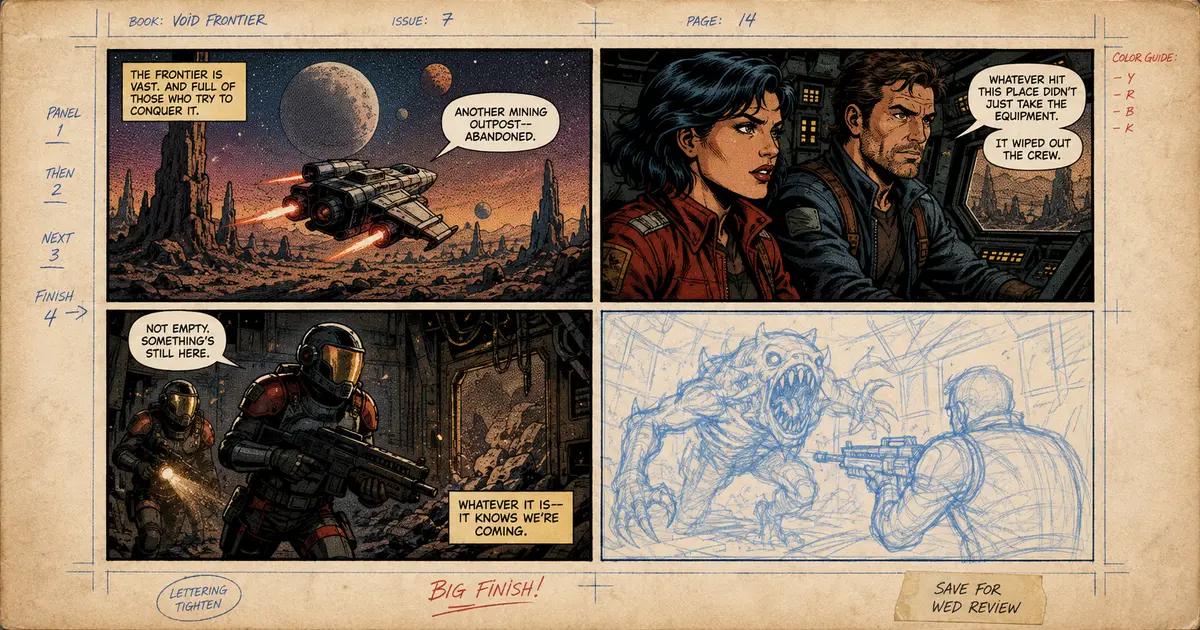
Most AI comic generators start from a text prompt and invent strangers. Cartoon It starts from your photographs and draws the people in them. It runs two models in sequence: one writes a short story with panel-by-panel direction, the other illustrates each panel, working from a fixed description of your characters so they stay the same person from the first panel to the last.
How it works
- 1
Give it people and a direction
Upload one to six photos, then optionally choose a story template — love story, little hero, family and friends — and add a line of context. The writer model uses these to build the plot.
- 2
The writer model plans the page
Before anything is drawn, a language model produces a script: how many panels, what happens in each, who says what, and a character anchor describing each person so the artist model draws them the same way every time.
- 3
The artist model draws it
Each panel is rendered against that shared script and character anchor. Pages come back at around 1,200 pixels tall, ready to read on screen or print.
Five styles
The same photo produces a different comic in each. Switching style costs nothing before you pay.
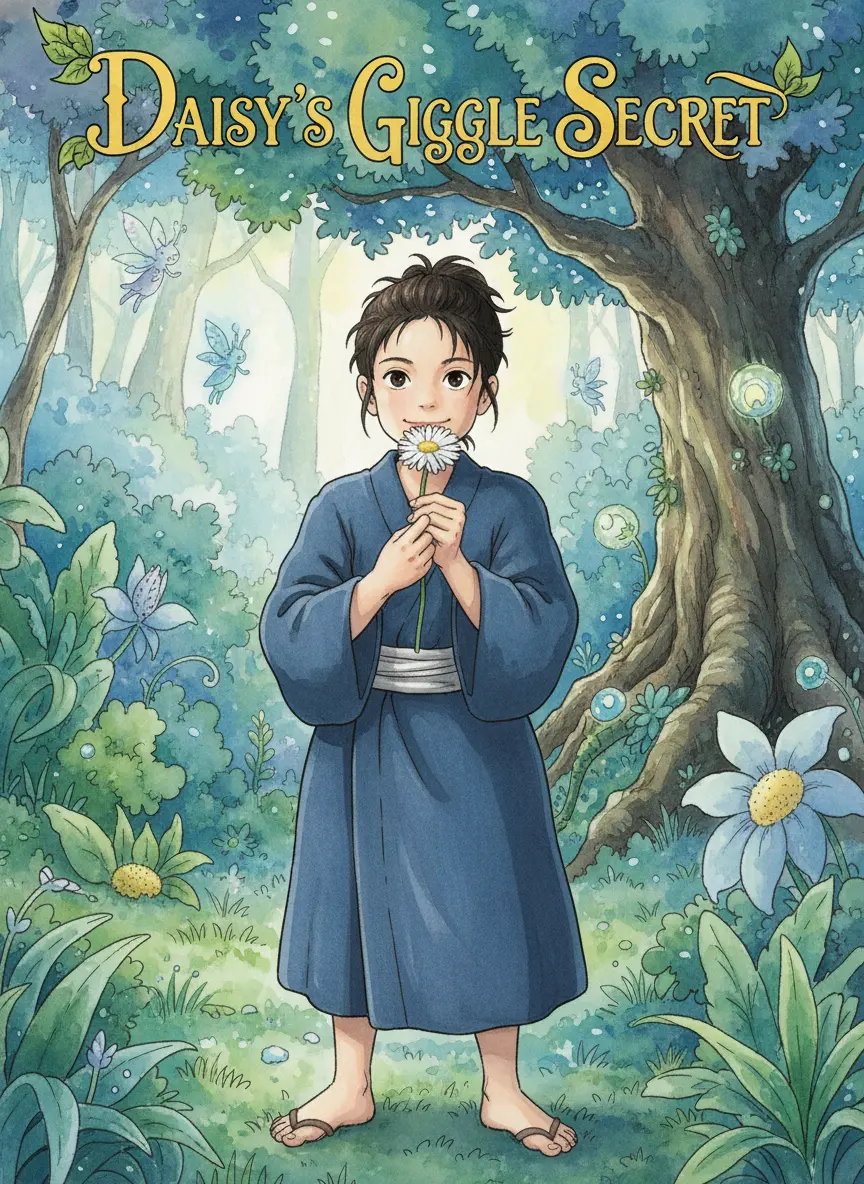
 Dreamy anime
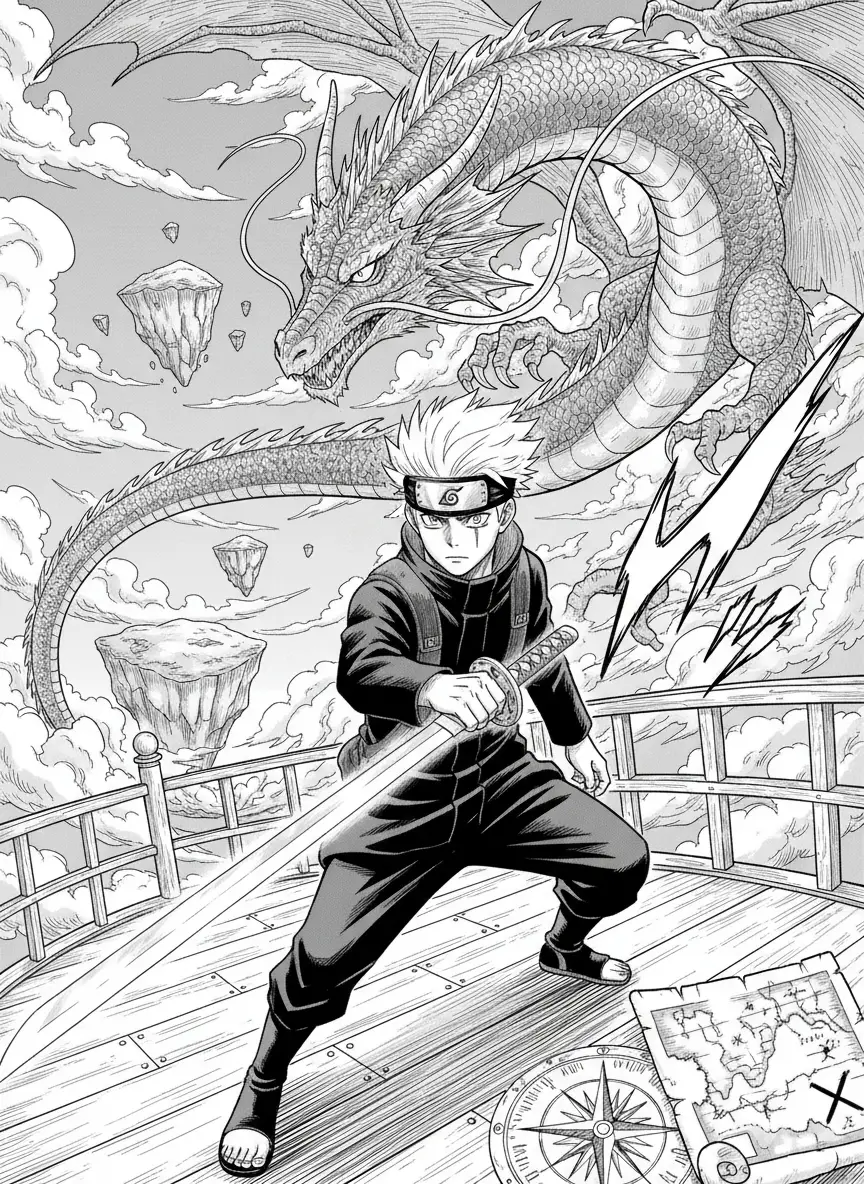
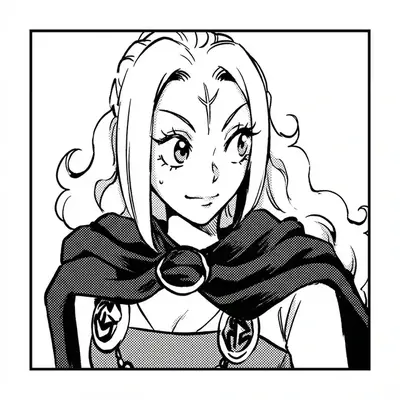 Manga
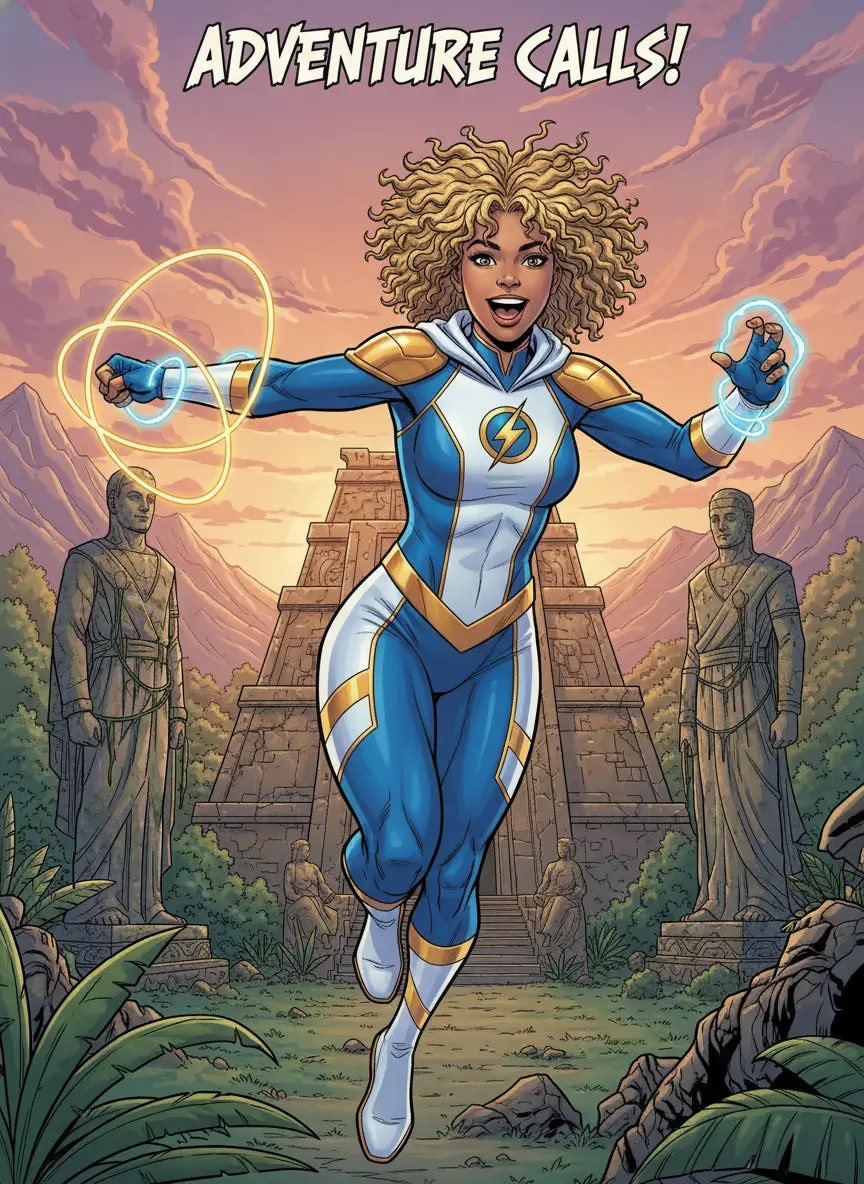
Manga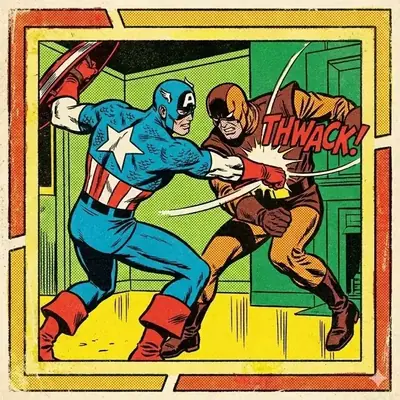 Heroic Comic
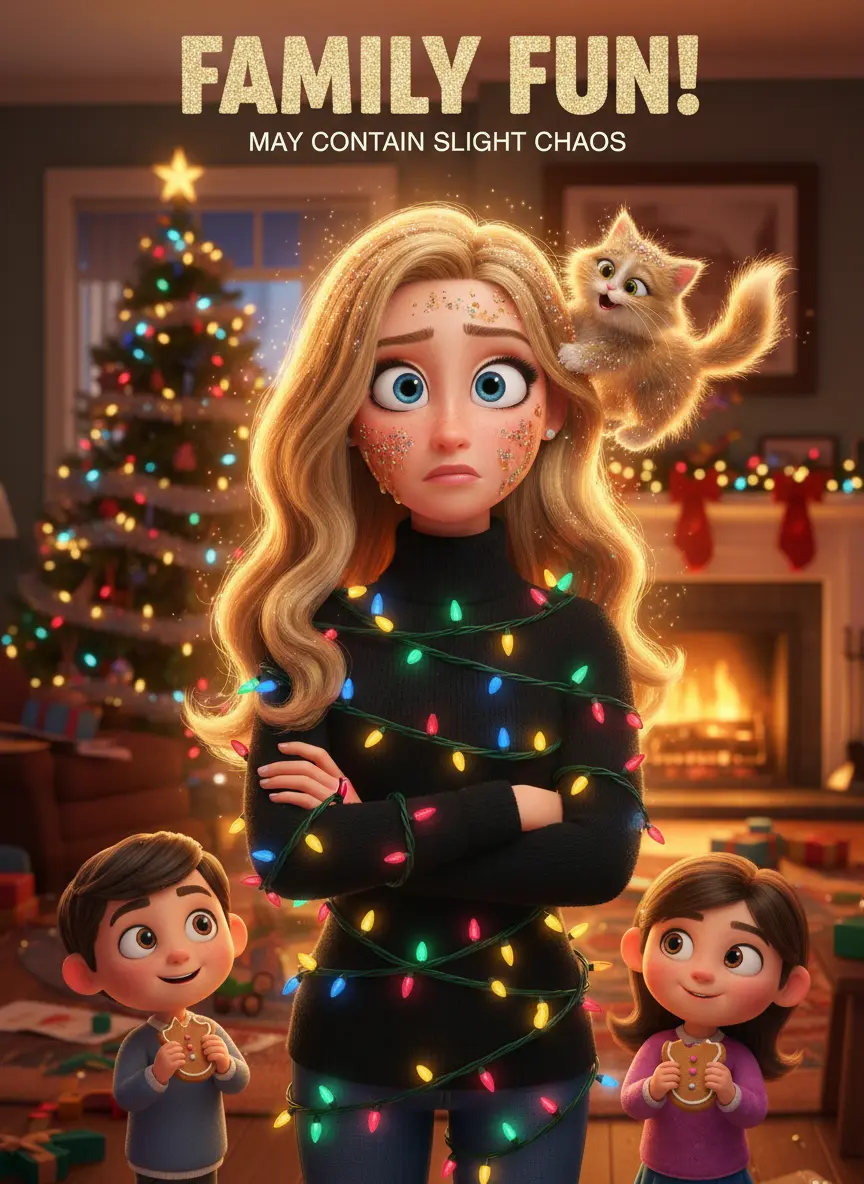
 3D Animated
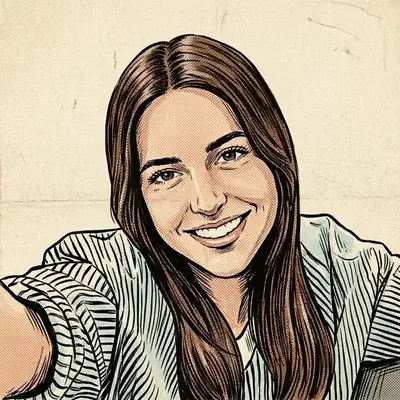 Classic comic
Photo-first, not prompt-first
The distinction matters more than it sounds. A prompt-first generator can draw a beautiful comic about nobody you know. A photo-first one is trying to solve a harder problem: making a specific real person recognisable in an illustrated style, repeatedly, across panels. That constraint is why the pipeline spends a whole model pass on writing a character description before it draws anything, and why uploading a clear, well-lit face changes the result more than any other choice you make.
What the two-model pipeline buys you
Generating panels independently from a single prompt produces images that do not add up to a story: inconsistent characters, no narrative order, dialogue that does not follow. Writing a script first fixes the sequence, the cast and the dialogue before a single pixel exists, and gives every panel the same reference to draw against. It costs an extra model call per comic and it is the reason the output reads as a page rather than a set of related pictures.
Free preview, and why it is blurred
You can generate a complete comic without an account and without paying. The preview is deliberately degraded — the server blurs and watermarks the pixels before sending them, and keeps the full-resolution original until a payment is confirmed. That is a real constraint rather than a CSS effect: the sharp image is never sent to your browser before you buy, so what you can see is genuinely all there is until you unlock it.
Generating a comic from a prompt, and from a photo
Most AI comic generators start from text you write. That is the right tool for a story about invented characters. It is the wrong one when the entire point is that the people in it are real.
| What differs | A prompt-only comic generator | Cartoon It |
|---|---|---|
| Who appears | Characters the model invents from your description. | The people in the photograph you uploaded. |
| What you write | A prompt, and usually several rewrites of it. | Nothing required. A photo is enough; context is optional. |
| Consistency | Characters commonly drift between panels — a known failure of panel-by-panel generation. | One written character description and a shared seed are reused for every panel. |
| Getting a likeness | You describe a face in words and hope. | The likeness comes from the image, not from an adjective. |
| Seeing it first | Varies. Credits are often spent before you know what you have. | The finished page is shown, watermarked, before any payment. |
Questions
Does it work from text prompts or photos?
Photos. You can add a line of context to steer the story, but the characters come from the pictures you upload rather than from a description.
How does it keep characters consistent between panels?
A written character anchor is generated once per comic and passed into every panel request, along with a shared seed and a single mood and setting. Panels are drawn against that description rather than re-derived from the photo each time.
How long does a comic take?
Usually under two minutes for the free preview page, measured from uploading the photo to a finished image on screen. Pages held back behind the paywall are drawn after payment and take about the same each, so a three-page story is a few minutes of waiting in total rather than hours.
Do I need an account?
No. Generating, previewing, paying and downloading all work without registering. The receipt is stored in your browser rather than against a login, and that receipt is what unlocks the download — so keep the tab or the device you paid on until you have the file.
Is there a subscription?
No. There are four one-time prices — $3.99, $5.99, $7.99 and $11.99 — for one page, two pages, a three-page story, and a three-page story with a custom cover. Nothing renews, no card is kept on file, and there is no account to remember to cancel.
Last updated . Prices and limits on this page are checked when it changes.
Pages it has made
Finished output, not mock-ups.
See yours before you pay
Generating and previewing costs nothing and needs no account. Downloads start at $3.99, one time.
We use analytics cookies to see which pages work and which do not. Nothing is set unless you agree, and we never sell your data. Privacy Policy