Photo to Manga
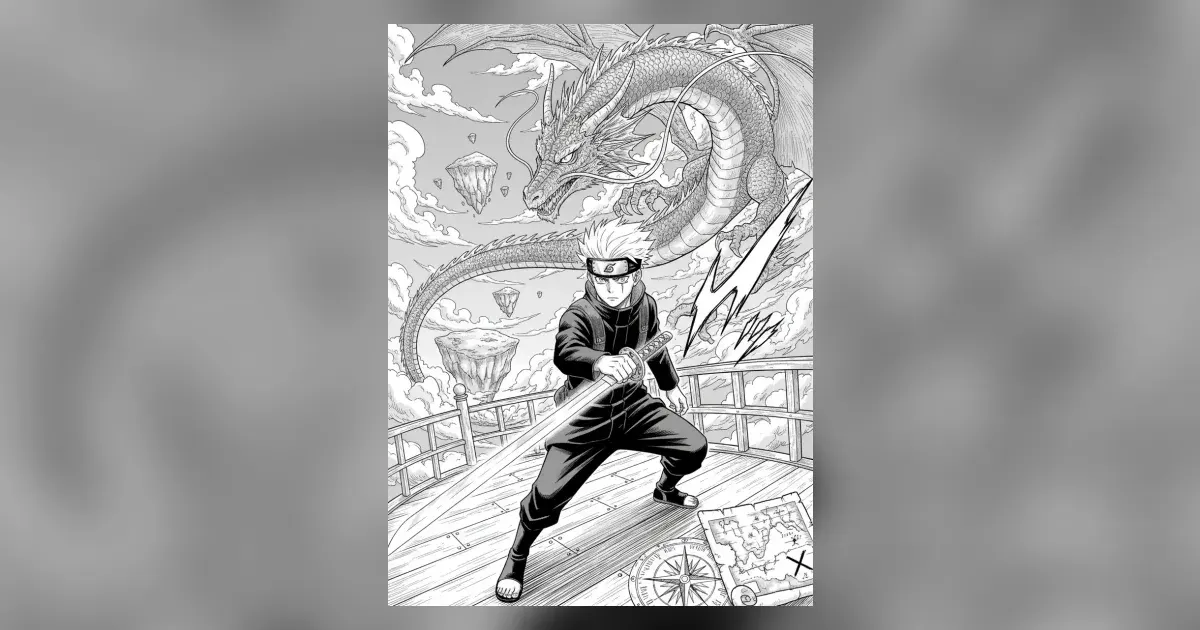
Manga is a drawing tradition, not a colour filter, and that is the difference this page is about. Cartoon It redraws the people in your photo in a manga idiom — inked linework, screentone shading instead of soft gradients, stylised eyes, and the compressed, high-contrast panel framing the form is known for. You upload a photo, choose the manga style, and see a full page before paying anything.
How it works
- 1
Upload a clear face
Manga leans harder on the face than most styles do, because so much of its expression lives in the eyes and brow. A well-lit, front-facing photo gives the model the most to work with.
- 2
Choose Manga
Manga is one of five styles. It renders in high-contrast ink with screentones rather than the soft colour of the anime style, so pick it when you want something that reads as a printed page rather than an animation cel.
- 3
Read the preview, then unlock
You get a complete page — panels, balloons, lettering — blurred and watermarked. Unlocking gives you the clean PNG and an A4 PDF — around 1,200 pixels tall, sharp at A5 and acceptable at A4.
Manga style versus anime style
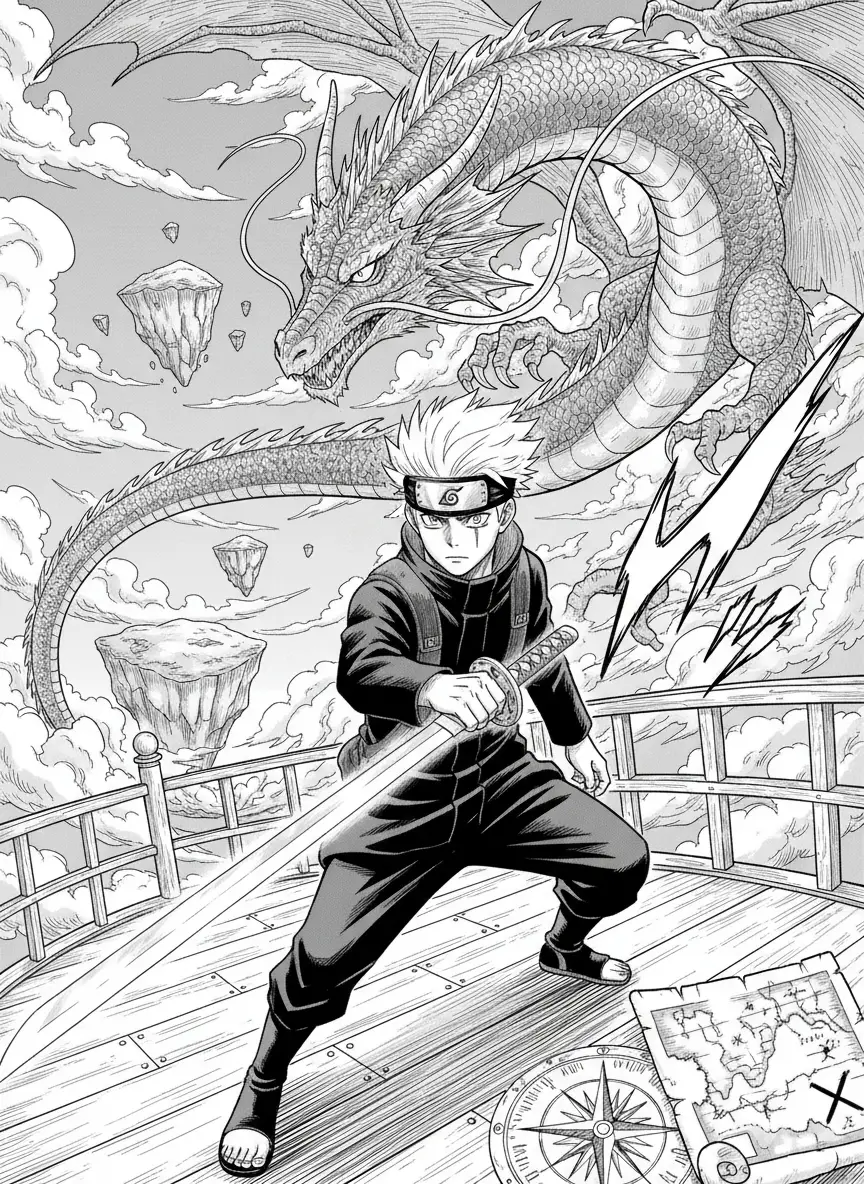
People often use the words interchangeably, and Cartoon It treats them as two different outputs. The manga style is monochrome-leaning and print-derived: heavy ink, screentone dot shading, dramatic speed lines, sharp blacks. The dreamy anime style is the animation look — soft cel colour, gentle gradients, warmer light, rounder faces. If you want something that looks like a page torn out of a tankōbon, choose manga. If you want something that looks like a still from a film, choose dreamy anime.
Reading order and panel layout
Pages are laid out left-to-right, because they are written and lettered in English. Authentic right-to-left manga pagination would put the balloons in the wrong order for an English reader, which looks like a bug rather than a homage. What is borrowed from manga is the visual language — panel rhythm, screentones, expression work — not the binding direction.
What manga does well, and where it struggles
The style is strongest on faces and emotion, which makes it a good choice for portraits, couples and reaction-driven stories. It is weakest on busy group scenes: high-contrast ink and screentones over six people tends to lose individual likeness in the crosshatching. With more than two or three characters, the heroic or classic comic styles usually hold faces better.
What a manga filter cannot do
Manga is a drawing discipline before it is a look. A filter can reproduce the surface of it — grey tone, hard contrast — without any of the decisions underneath, and the gap shows up in specific places.
| What differs | A manga filter | Cartoon It |
|---|---|---|
| Screentone | A halftone texture laid over the whole photo at one density. | Tone placed as shading, denser where the form turns away from the light. |
| Linework | Edge detection traced over photographic edges. | Inked lines that vary in weight, drawn where a line belongs rather than where contrast happened. |
| The face | Your face, darkened and posterised. Proportions unchanged. | Redrawn in manga proportions while keeping features recognisable. |
| Layout | A single frame, whatever shape your photo was. | A panel layout, with panel sizes set by what each beat needs. |
| Colour | A desaturated photograph — greys carried over from the original. | True black-and-white ink, with white left as white. |
Questions
Is this a manga filter?
No. A filter re-colours the pixels of your photo. This generates a new drawing of the people in your photo, so the pose, framing and background can all differ from the original.
Is the manga output black and white?
It leans monochrome and print-like, with screentone shading rather than soft colour gradients, but it is not strictly greyscale. Choose the dreamy anime style if you want full soft colour.
Can I turn a selfie into manga?
Yes, and a selfie is close to the ideal input: one clearly lit face, front-on, with nothing covering it. What most often produces a face that is not quite yours is sunglasses, heavy backlighting, or a group shot where your head is small in the frame.
Do the pages read right to left?
No. Pages are laid out left-to-right because the lettering is in English, and right-to-left pagination would put the dialogue in the wrong order for an English reader.
Last updated . Prices and limits on this page are checked when it changes.
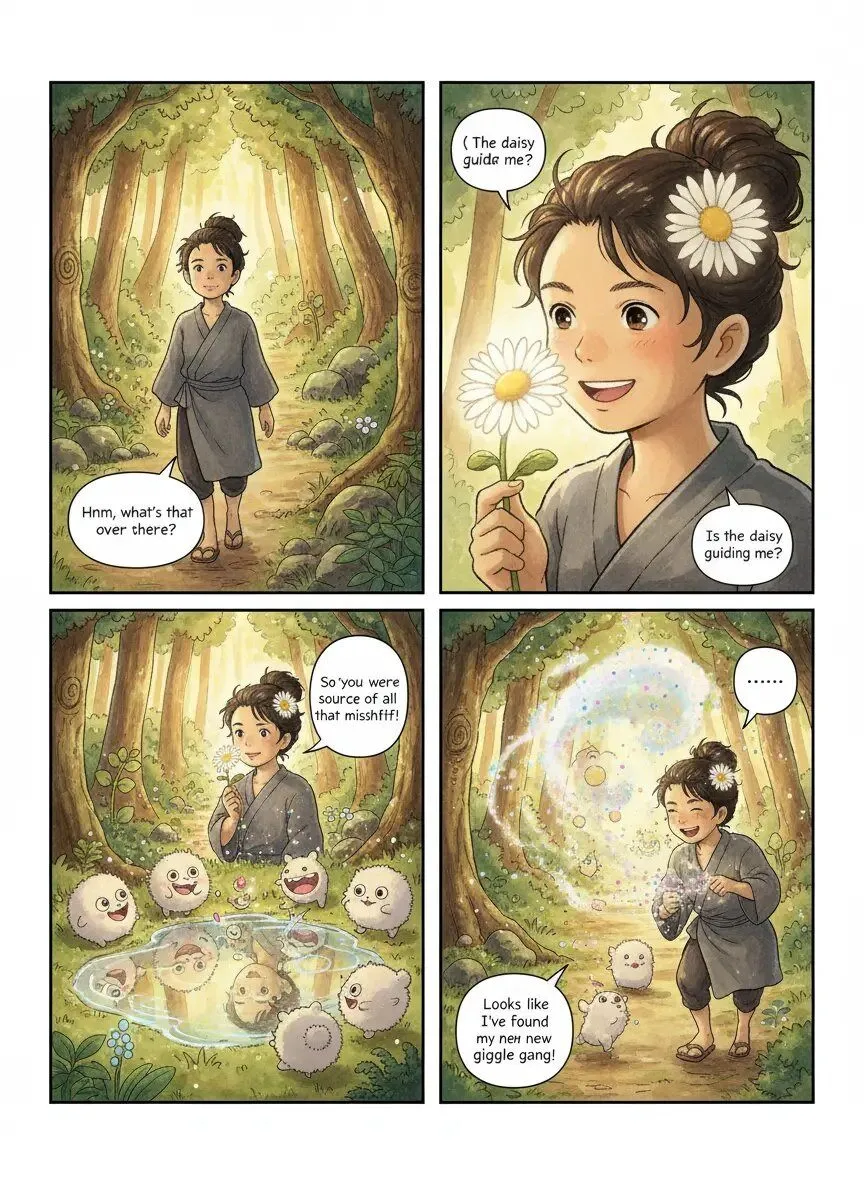
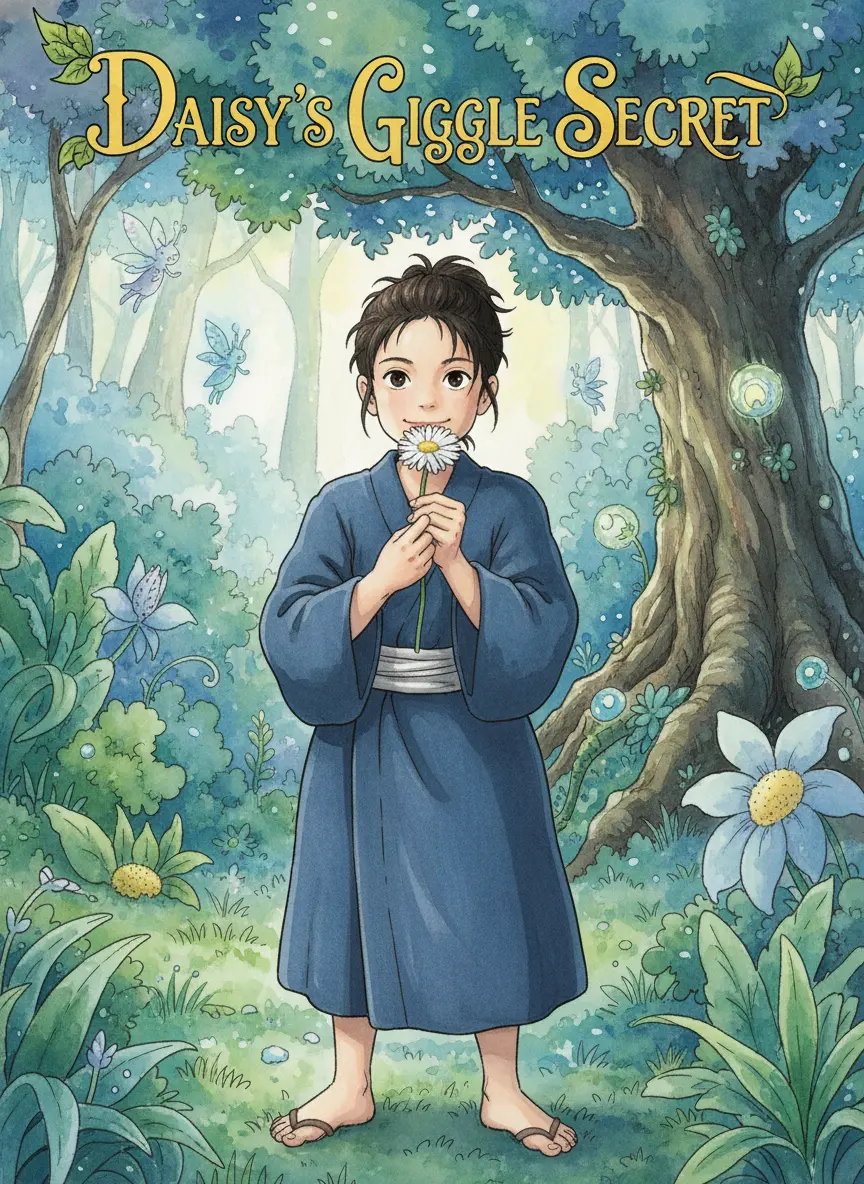
Pages it has made
Finished output, not mock-ups.
See yours before you pay
Generating and previewing costs nothing and needs no account. Downloads start at $3.99, one time.
We use analytics cookies to see which pages work and which do not. Nothing is set unless you agree, and we never sell your data. Privacy Policy