AI Pet Portrait Generator
Upload a photo of your dog, cat or rabbit and get a drawn portrait back. The difference between this and most pet portrait generators is what happens before anything is drawn: a written description of your specific animal is taken off the photograph — breed, size, coat length and colour, markings, ears, tail — and every image is drawn against that description rather than against a general idea of the breed. You see the finished portrait free and pay only if you want the file.
How it works
- 1
Upload a photo of them
One clear picture. Daylight helps enormously, and so does a photo where the whole animal is visible rather than a close crop of the face. A phone photo is completely fine — it does not need to be a good photograph, it needs to show what they look like.
- 2
Say something about them
Optional, and it changes the result more than the style does. "She steals socks" or "he is thirteen and sleeps through everything" gives the story something to be about. Without it you get a portrait rather than a scene.
- 3
Look before you pay
The whole portrait is shown to you, watermarked and softened. It is enough to see whether the markings came out right — if they did not, swap to a photo with better light and run it again. Nothing is charged until you download.
Five styles
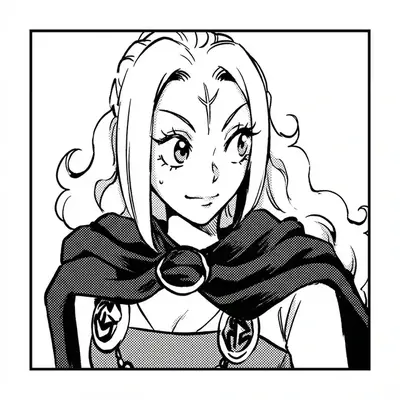
The same photo produces a different comic in each. Switching style costs nothing before you pay.
 Dreamy anime
 Manga
Manga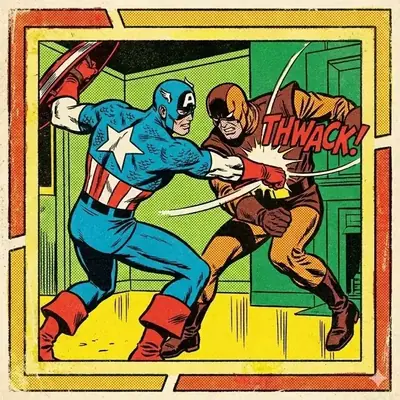 Heroic Comic
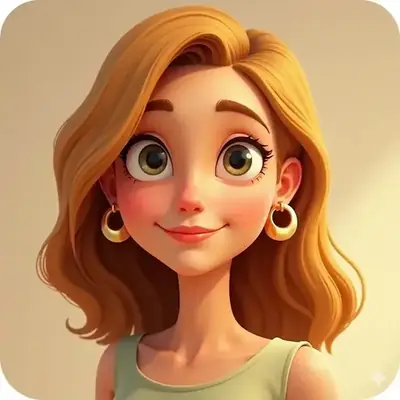 3D Animated
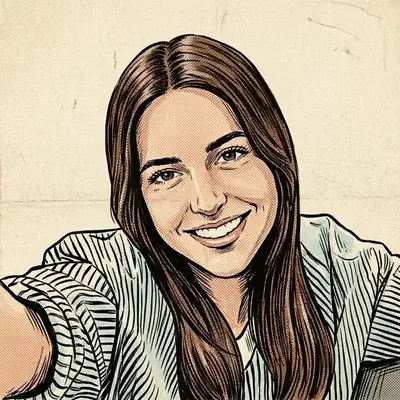 Classic comic
Why most pet generators return the wrong dog
Style transfer works on pixels. It takes the image you gave it and restyles it, and in doing so it smooths away exactly the details that identify an individual animal — the odd white sock, the patch over one eye, the ear that folds differently from the other. The output is recognisably a golden retriever and not recognisably yours. That is tolerable for a profile picture and it is the whole problem for a gift, because the person receiving it knows precisely what their dog looks like.
Markings are the thing to get right
Before any drawing happens, the writer records the animal in a fixed order: species and breed, size, coat length and colour and any markings, ears and tail, then collar. A real example from this pipeline reads "golden retriever puppy, small, thick and fluffy light-cream coat, soft floppy ears, short puppy tail, no collar". That sentence is then passed into every page request, so the animal in the last panel is described identically to the animal in the first. It is the same mechanism that keeps a human face stable across a comic, pointed at a dog.
Pets and people in one portrait
Animals and people are both characters here, so a portrait can hold both — up to six in total, from separate photographs. The dog does not need to have been in the room when the family photo was taken. This is the common case for anyone whose pet is genuinely part of the household and who has never managed to get everyone, including the dog, to look at a camera simultaneously.
A portrait of a pet who has died
People use this for animals they have lost, and the photographs available are usually whatever happened to be on a phone rather than anything chosen. Old, low-resolution and slightly blurred pictures still work, because the description is built from what can be seen rather than requiring a clean image. If the only photo is dark or the animal is small in frame, crop it to them before uploading — that alone often makes the difference.
What happened when we actually tested it
The claim above is easy to write and worth checking, so here is a real check rather than a promise. A red merle border collie — rust mottled over white, two blue eyes, and a pink liver nose rather than a black one — was put through six times. Every run kept the blue eyes, the pink nose, the merle mottling and the green collar. Those are precisely the details a generic border collie gets wrong, because the default for the breed is brown eyes and a black nose. Two things are worth saying alongside that. It is one animal, not a survey: six runs on one photograph is evidence the mechanism works, not a guarantee about every breed. And the same pipeline, given a pale cream retriever from a low-resolution photo taken side-on at a distance, came back a deeper honey gold with the wrong collar colour — same code, worse input. Which is the honest summary of this whole page: the description can only record what the photograph shows, so a clear, front-on, well-lit picture is worth more than any setting here.
What makes it come out badly
Black and very dark animals are genuinely harder, and not because of any bias in the model: a black dog photographed indoors is a silhouette, and there is no coat texture or marking detail in the image to describe. Take the photo outdoors in shade if you can. Beyond that, the usual culprits are a face-only crop, which leaves the body and tail to be invented, and a photo where the animal is one small shape in a large scene.
A pet portrait generator that draws your pet, and one that draws a pet
Most AI pet portrait tools take your photograph, apply a style, and return a very good picture of an animal that is broadly the same breed. That is fine for a phone wallpaper and disappointing as a gift, and the difference comes down to one thing: whether the tool wrote down what your animal actually looks like before it started drawing.
| What differs | A typical pet photo filter | Cartoon It |
|---|---|---|
| Whose dog is it | Usually a very good golden retriever. Not necessarily yours. | A written description is taken off your photo first — coat, markings, ears, tail — and every drawing is made against it. |
| Markings | Frequently smoothed away, because they are noise to a style transfer. | Recorded explicitly. Markings are what make one animal that animal. |
| More than one panel | One image. Ask for a second and it is a different dog. | The same description goes into every page, which is what holds an animal steady across a story. |
| People and pets together | Usually one subject at a time. | Up to six characters from separate photos — the dog and the family in one scene. |
| Cost | Often free, often watermarked, often a subscription after the first few. | Free to generate and see, watermarked. $3.99 to download it clean, one payment, no account. |
Questions
Is the AI pet portrait generator free?
Generating and viewing the finished portrait is free and needs no account. You pay only to download the full-resolution file without a watermark, from $3.99 as a one-time charge.
Will it actually look like my pet?
The likeness comes from a written description taken off your photo — breed, coat, markings, ears, tail — which is then used for every image. Tested on a red merle collie with two blue eyes and a pink nose, six runs kept all three; the generic version of that breed has brown eyes and a black nose. Photo quality is the main variable, and a clear front-on shot in good light beats everything else.
Can I have my pet and my family in the same portrait?
Yes. Animals and people are both treated as characters, up to six in total, and they can come from separate photographs taken at different times.
What if my only photo is old or blurry?
It usually still works. The description is built from whatever is visible, so an imperfect photo produces a reasonable result. Cropping tightly to the animal before uploading helps when they are small in the frame.
Does it work for cats and other animals?
Yes. Cats, rabbits and other pets are described the same way — species, size, coat and markings, ears and tail. Dogs and cats are the most common by a wide margin.
Can I print it?
Yes. Paid downloads include a full-resolution PNG and an A4 PDF. At around 1,200 pixels tall a portrait prints cleanly at A5 and is usable at A4.
Last updated . Prices and limits on this page are checked when it changes.
Pages it has made
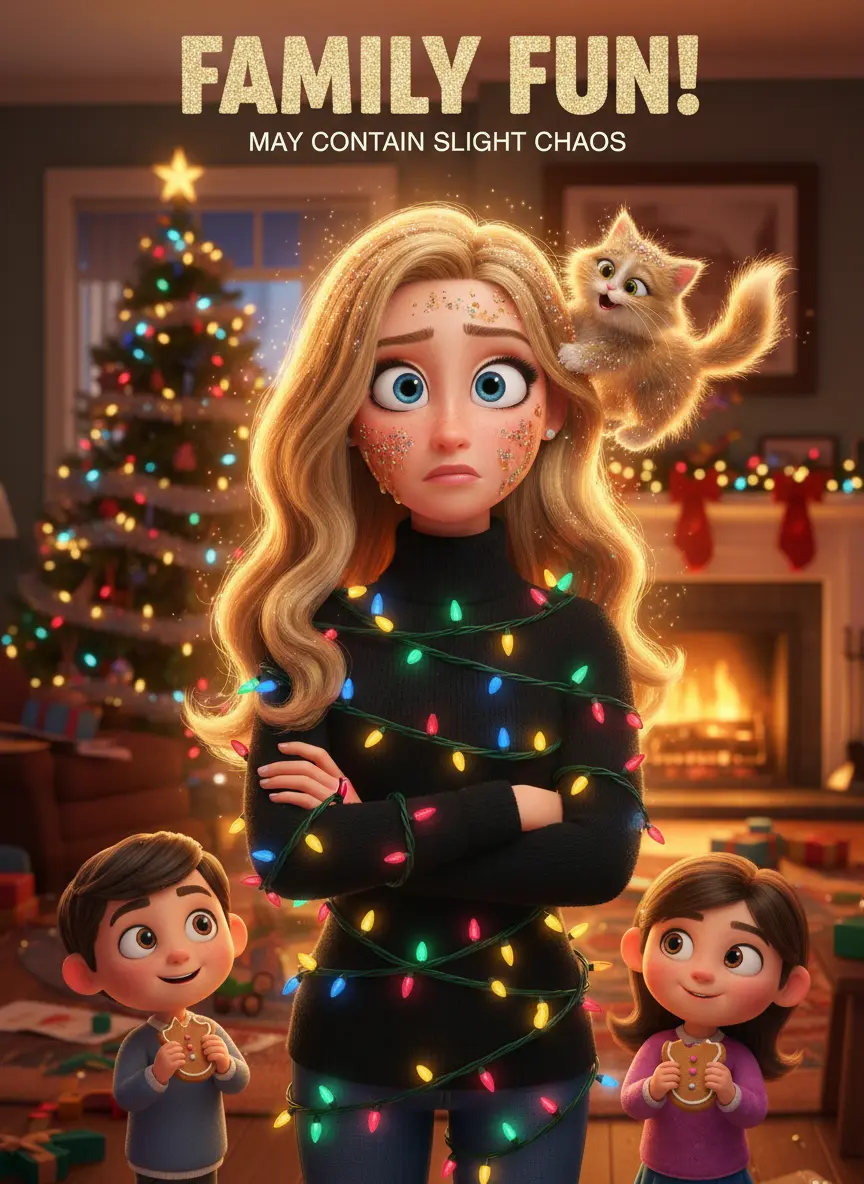
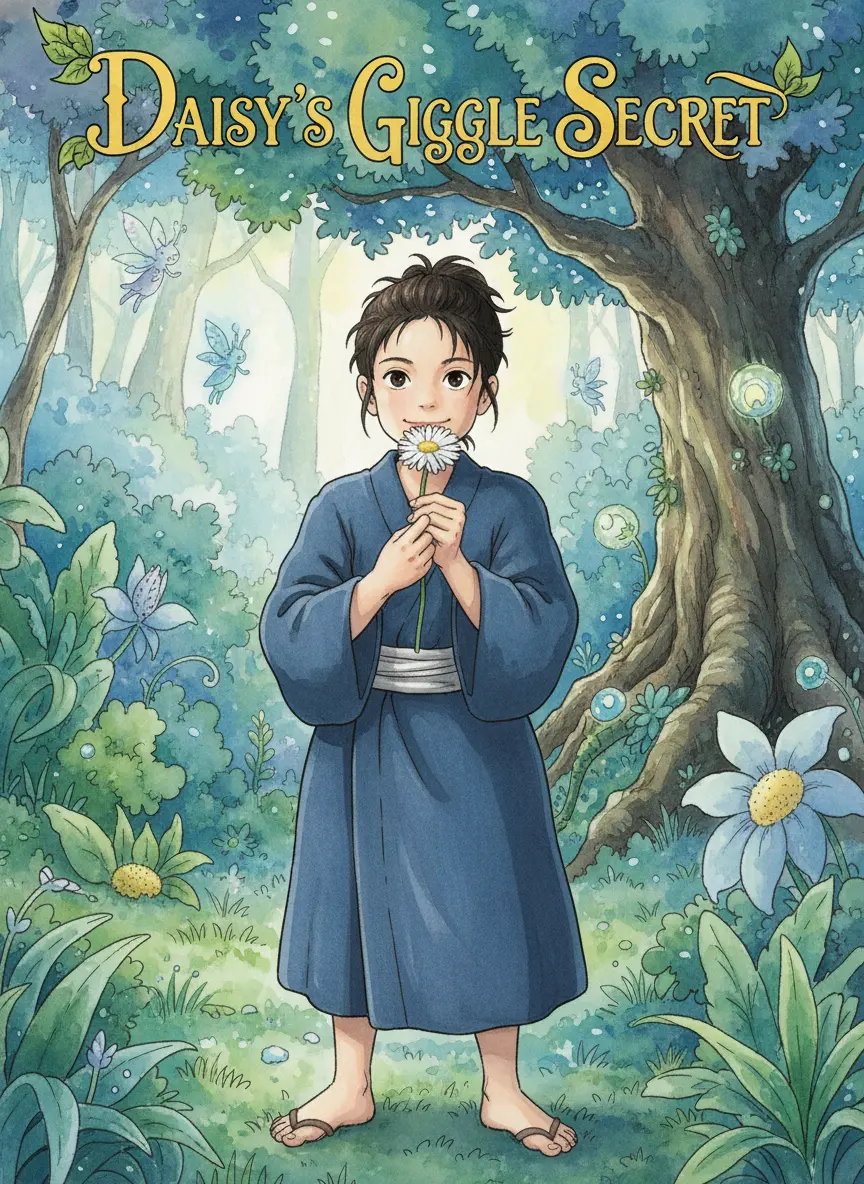
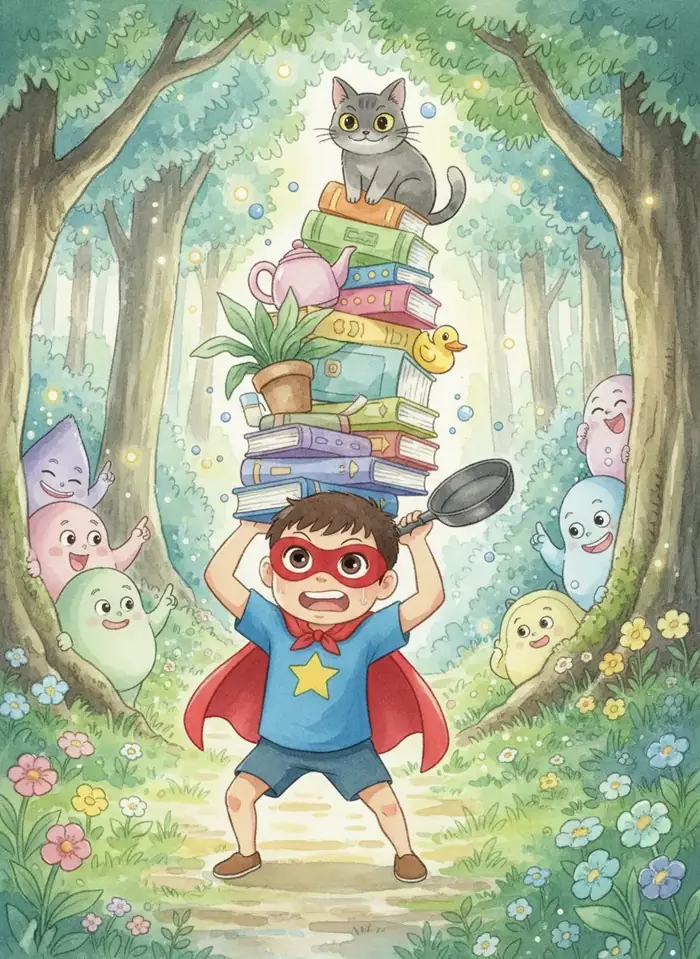
Finished output, not mock-ups.
See yours before you pay
Generating and previewing costs nothing and needs no account. Downloads start at $3.99, one time.
We use analytics cookies to see which pages work and which do not. Nothing is set unless you agree, and we never sell your data. Privacy Policy