Photo Gift Ideas: What to Actually Do With 12,000 Pictures

The Cartoon It Team
Editor @ Cartoon It
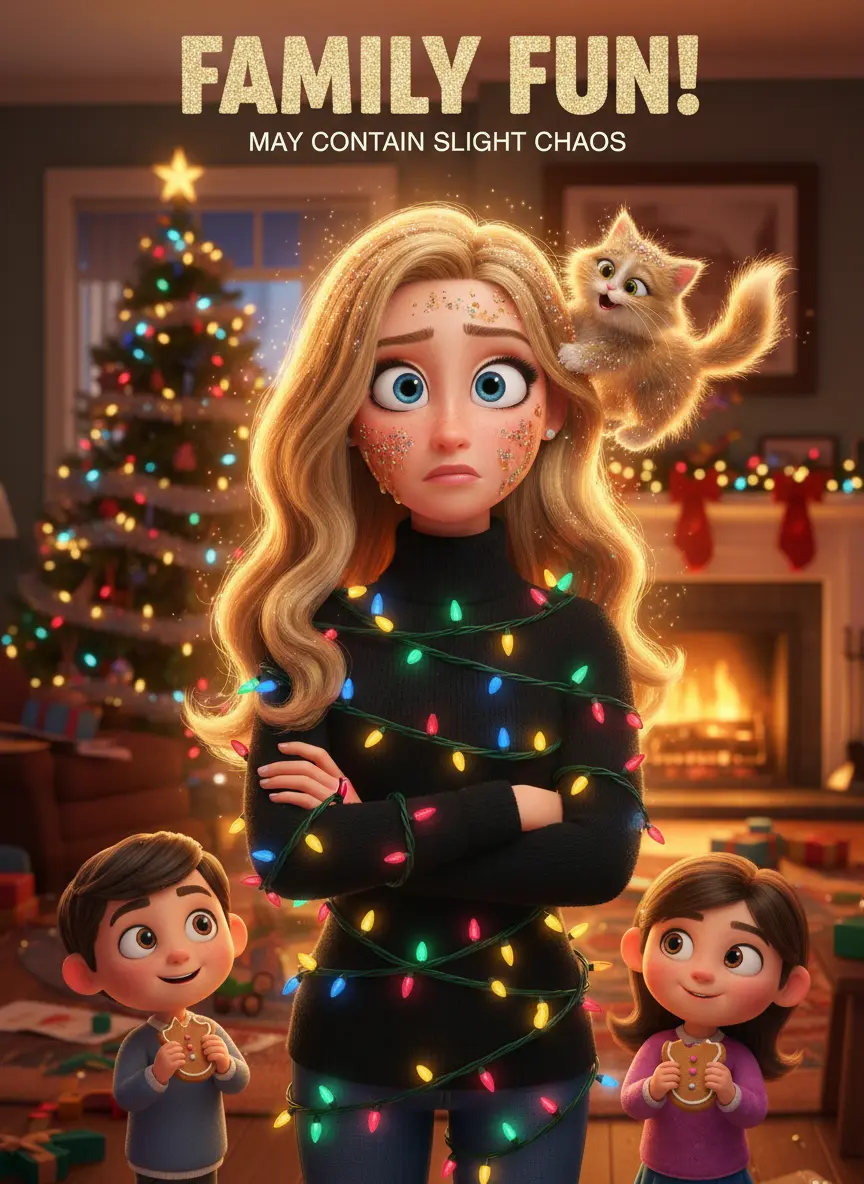
The average phone holds thousands of photographs and produces almost no physical objects. That gap is why photo gifts work at all: the pictures are already taken, already free, and doing nothing.
Start from the photo, not the product
Most people do this backwards. They choose a format — a mug, a calendar, a canvas — and then hunt through the camera roll for a picture that will fit it. The result is a good product carrying a mediocre photograph.
Reversing it works better. Find the two or three pictures that actually matter, then pick the format that suits them. A candid taken mid-laugh wants to be large and on a wall. A sequence from one afternoon wants to be a book or a strip. A picture that is meaningful but technically poor — dark, blurred, taken on a phone in 2011 — wants to be drawn rather than printed, because drawing forgives what enlargement exposes.
THE RULE
The photograph is the gift. The format is packaging. A brilliant picture on cheap paper beats a dull one on museum canvas, every time.
What each format is actually good at
A large print. Best for one outstanding photograph. Cheapest per unit of impact of anything here, and consistently underrated because it feels too simple. If you have one genuinely great picture, stop reading and do this.
A photo book. Best for a bounded event — a wedding, a trip, a child's first year. Fails when it is a general selection, because a book of unrelated good photographs has no reason to be a book. Needs 40+ pictures that belong together, which is a real constraint.
A calendar. Underrated for extended family and the one format with a built-in reason to include many people. Also the only one with an expiry date, which is either honest or sad depending on your mood.
A digital frame. Excellent when someone keeps it supplied with new pictures, and quietly depressing when the same twelve photographs cycle for three years. Only give one if you will maintain it.
Objects with photos on them. Mugs, cushions, blankets, phone cases. Honest assessment: these are novelty items and they are received as such. Nothing wrong with a novelty item — just do not expect it to carry a relationship.
A drawn or illustrated version. Best when the photograph is poor but the memory is not, when the people involved were never in the same room, or when the point is a story rather than a moment. Worst for a photograph that is already beautiful — drawing a great picture is a downgrade, and you should print that one instead.
The photo that does not exist
Almost every family has a picture they wish they had and do not. Everyone together, including the person who moved abroad and the one who hates cameras. The dog who died before the youngest was born. Two grandparents and a grandchild who live on different continents.
Photography cannot solve this — a camera requires everyone to have been in one place at one time. Drawing does not. Each person can be described from their own picture, taken in a different year on a different continent, and placed in one scene. This is the single thing an illustrated gift can do that no print, book or frame can, and it is worth knowing about specifically because the families who need it are exactly the ones who have given up looking.
Practical things that go wrong
- Screenshots and social downloads. A picture saved from Instagram has already been compressed and is often a fraction of the original resolution. Go back to the original file.
- Enlarging past what the file can take. A phone photo from a decade ago will not survive a poster. Print it small and it looks deliberate; print it large and it looks broken.
- Cropping late. Decide the shape before you order. A square product will centre-crop a group photo and remove somebody's head.
- Choosing the flattering photo over the true one. The picture people keep is almost never the most flattering one. It is the one where someone is laughing badly.
The short version
Pick the picture first and the product second. If you have one great photograph, print it large and stop. If you have a bounded event, make a book. And if the photograph you want does not exist — because the people were never in one room — that is the specific case where having it drawn is not a substitute for a photo but the only way to get one.
Turn YOUR Photos
Into Comics
Join 1,500+ storytellers making manga, superhero, and 3D animated stories in seconds.
Start for Free • No Credit Card Required